There’s a moment many women recognise in perimenopause: you’re doing normal life, then suddenly your body reacts as if the dial has been turned up – hot flushes, headaches, breathlessness, poor sleep, brain fog, irritability. You start scanning for triggers: food, alcohol, stress, temperature, but it could something you have never considered – cleaning products.
We’re writing this together because we sit on both sides of the real world:

Haley’s perspective (Menospace): menopause is an endocrine transition, and small daily stressors can have outsized effects on symptoms and work-life functioning.

Vaida’s perspective (professional cleaning): people underestimate how much they inhale and absorb while cleaning, especially with sprays, fragrance and disinfectants, and how easy it is to reduce exposure without compromising hygiene.
This isn’t about panic or “toxin-free perfection.” It’s about understanding the endocrine system, recognising common chemical exposures, and making a few high-impact changes that can genuinely improve day-to-day comfort.
The Endocrine System: Why Hormone Signalling Matters in Menopause
Haley (Menospace):
Your endocrine system is your body’s hormone communication network. Hormones are chemical messengers that help regulate temperature control, sleep, mood, metabolism, stress response and reproduction. Menopause is, at its core, a shift in endocrine signalling, particularly changes in oestrogen and progesterone, with knock-on effects across the body.
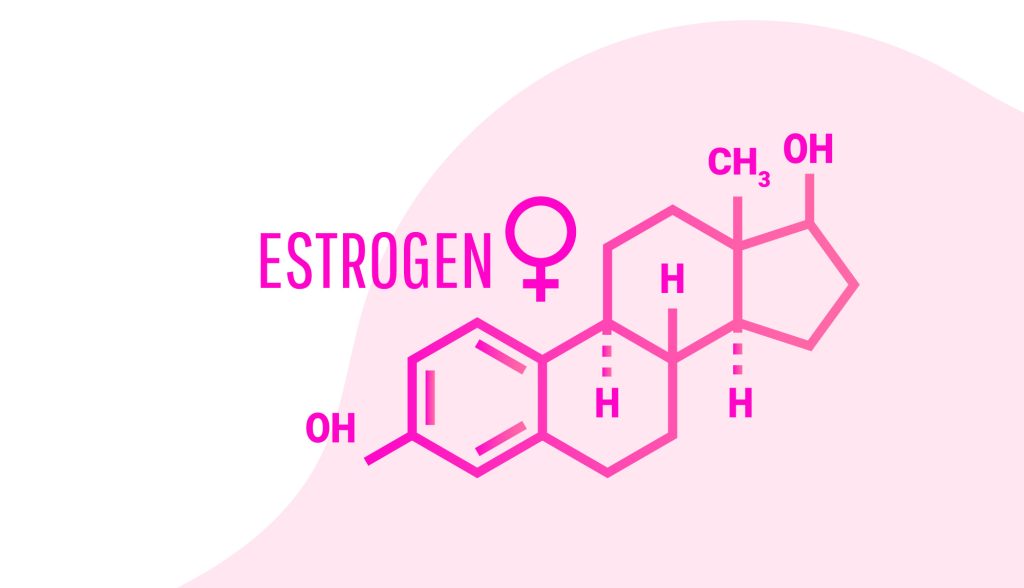
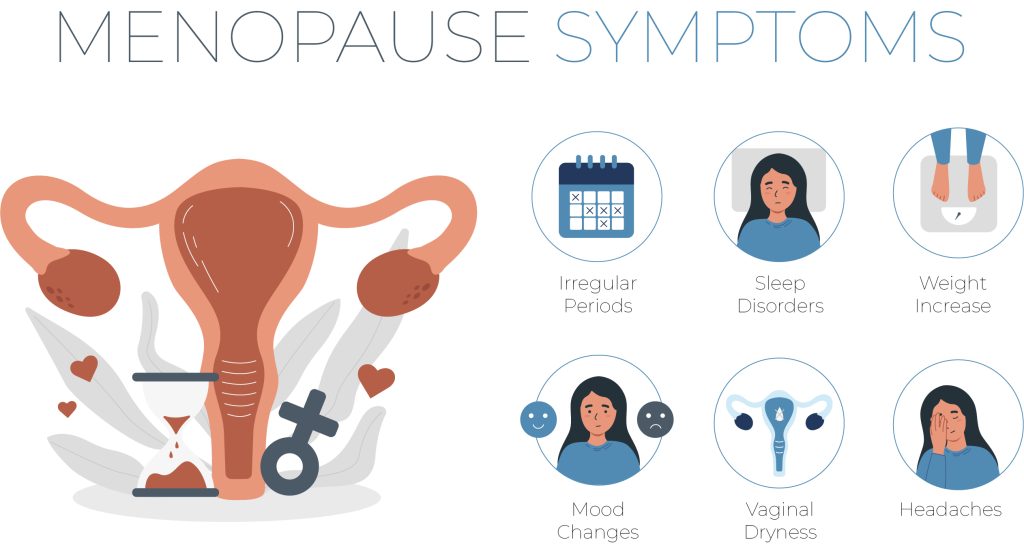
This is why menopause symptoms can be so wide-ranging: sleep disruption, heightened stress sensitivity, migraines, skin changes, palpitations, changes in mood and concentration. When the endocrine system is already recalibrating, extra stressors, especially those that affect sleep, inflammation, or stress hormones, can amplify symptoms.
Endocrine-Disrupting Chemicals (EDCs): The Link to Everyday Products
Haley (Menospace):
An endocrine-disrupting chemical (EDC) is defined by the Endocrine Society as an external chemical (or mixture) that can interfere with any aspect of hormone action.
EDCs can interfere with hormones by:
- Mimicking hormones (sending signals at the wrong time)
- Blocking hormones from binding to their receptors
- Changing hormone levels by affecting how they’re made, broken down, or stored
- Changing tissue sensitivity to hormones
Not every cleaning product is an EDC, but some ingredients and product types overlap with chemical groups discussed in endocrine research, and many products can still make menopause harder via indirect pathways (irritation, sleep disruption, stress activation).
How Cleaning Products Can Worsen Menopause Symptoms
Haley (Menospace):
In menopause, there are two main ways cleaning exposures can show up as “more symptoms”:
- Direct endocrine pathway: some chemicals may mimic or interfere with hormone signalling.
- Indirect symptom pathway: strong fumes or skin irritants can disrupt sleep, trigger headaches, irritate airways, and increase inflammation, issues that often already sit in the menopause picture.
Vaida (VIP Cleaning):
From a cleaning professional’s point of view, the biggest overlooked factor is dose and delivery. The same ingredient can feel very different depending on:
- Whether it’s sprayed into the air (high inhalation exposure).
- Used in a small bathroom with the door shut.
- Applied to a cloth vs misted across a room.
- Used once a week vs multiple times a day.
The Biggest Culprits: Fragrance, Sprays, Disinfectants, and Indoor Air
Fragrance (including “parfum”): the hidden mixture
Haley (Menospace):
“Fragrance” can be a catch-all term for a blend of chemicals. Even when the endocrine evidence is complex, fragrance is a very common trigger for headaches, nausea, throat irritation, and sleep disruption, all of which can magnify hot flushes and fatigue.
Vaida (VIP Cleaning):
In homes and offices, fragranced products are often layered: surface spray + floor cleaner + toilet gel + air freshener. That combination can make the environment feel “clean,” but it also creates a chemical cloud. For many clients, moving to fragrance-free is the single biggest improvement in comfort.
Disinfectants and “quats” (quaternary ammonium compounds)
Haley (Menospace):
Quaternary ammonium compounds (often called QACs or “quats”) are common in disinfecting sprays and wipes. Scientific reviews note links between routine use (especially sprays/wipes) and respiratory and dermatologic outcomes, with particular concern in occupational or frequent-exposure contexts.
Vaida (VIP Cleaning):
Disinfectants are useful when needed, but overuse is common. Many people disinfect everything by default, especially with sprays. In practice, you can often reserve disinfecting for high-touch surfaces during illness risk and focus the rest of the time on solid cleaning (removing dirt/grease) with good ventilation.
Aerosols, VOCs, and indoor air quality
Haley (Menospace):
A lot of the immediate impact from cleaning products is airborne exposure—especially from sprays and aerosols. NICE guidance on indoor air quality advises reducing use of household sprays, air fresheners and other aerosols, and following product instructions.
Vaida (VIP Cleaning):
Sprays feel convenient, but they’re often the worst for inhalation exposure. If you’re sensitive (or becoming sensitive), a simple swap is: liquid product + cloth instead of misting a room. You still clean effectively, but you dramatically cut what you breathe in.
Menopause-Friendly Cleaning: 8 High-Impact Changes You Can Make This Week
- Choose fragrance-free (not just “unscented”) for your main cleaners.
- Stop aerosol air fresheners and prioritise ventilation instead.
- Use liquids/gels, not sprays where possible (apply to a cloth).
- Ventilate every time you clean: window open, extractor on, door cracked. (Ventilation is a key way to reduce VOC exposure from household products).
- Wear gloves for anything that irritates the skin or involves disinfectants.
- Use the minimum effective amount (more product ≠ does not make it cleaner).
- Don’t mix products (especially bleach with anything acidic or ammonia-based).
- Disinfect strategically, not habitually – save it for higher-risk moments.
- If you want your home to smell fresh after cleaning, avoid synthetic air fresheners and instead use natural essential oils known to support menopause symptoms. Scents like lavender, clary sage and geranium can help create a calming atmosphere – explore Snug Scent to scent your home safely and naturally.
Workplace Menopause Support: Cleaning Choices Are Part of Inclusion
Haley (Menospace):
If you’re an employer, HR lead, or wellbeing lead, it’s worth naming this: cleaning practices can unintentionally create a “trigger environment” for menopausal staff, especially in small, poorly ventilated spaces like toilets, changing rooms, kitchens, and meeting rooms.
Vaida (VIP Cleaning):
From a service delivery point of view, workplaces can make quick, low-cost improvements:
- Specify fragrance-free products in procurement.
- Avoid routine spray disinfecting in enclosed rooms.
- Schedule stronger cleaning for times when fewer people are present.
- Ensure cleaners have training, dilution guidance, and ventilation rules.
This supports not just menopausal staff, but anyone with migraines, allergies, pregnancy sensitivities, or respiratory conditions.
The Takeaway: Small Changes, Big Relief
Vaida (VIP Cleaning):
The goal isn’t to stop cleaning. It’s to clean smarter: less fragrance, fewer sprays, better ventilation and targeted disinfecting.
Haley (Menospace):
Menopause is already a high-change endocrine phase. Reducing chemical and irritant “noise” in your environment is a step you can take to support sleep, reduce headaches and help your body feel calmer day to day.
Medical note: This article is educational and not a substitute for medical advice. If symptoms are severe or rapidly changing, seek clinical support.